Training can be fascinating
Whether working with an engineering team or marketing specialists, learning never has to be dull. Engagement happens the moment unnecessary abstractions drop away.
It all started with a series of small, daily failures in my home. My 8-year-old daughter was passionate about My Little Pony and its figurines. Full of enthusiasm, she would run up to me and ask:
“Dad, which pony is this?”
I had no clue. She walked back to her room disappointed, only to return a few minutes later: a new pony, the exact same question… and once again, no answer from me.
I decided to change that and fight for the title of "World's Best Dad." I wanted to build a meaningful project with her—something rooted in my tech background that she could be proud of. At that point, running workshops was not on my radar.
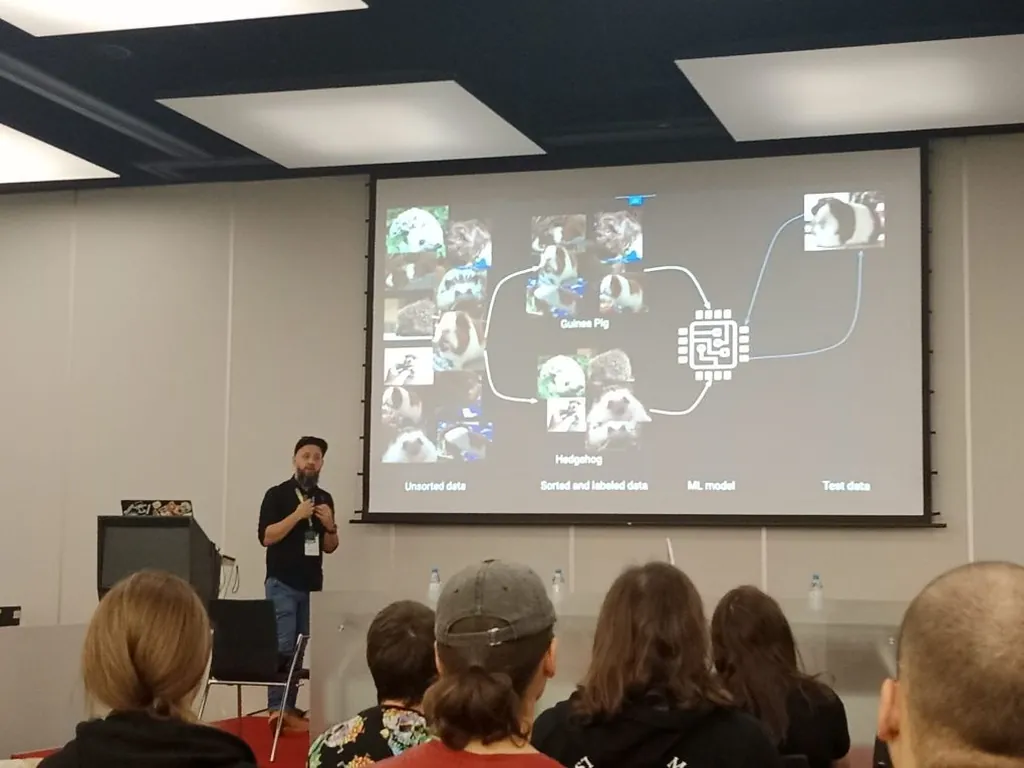
We joined forces: we paired her pony knowledge and collection of figurines with machine learning technology. Together, we engaged in the entire process: gathering figurines, taking photos, naming classes, and training a supervised learning model using a simple no-code platform.
Without writing any scripts or diving into advanced mathematics, an 8-year-old girl and her 30-something dad created a fully functional real-time computer vision classifier from scratch.

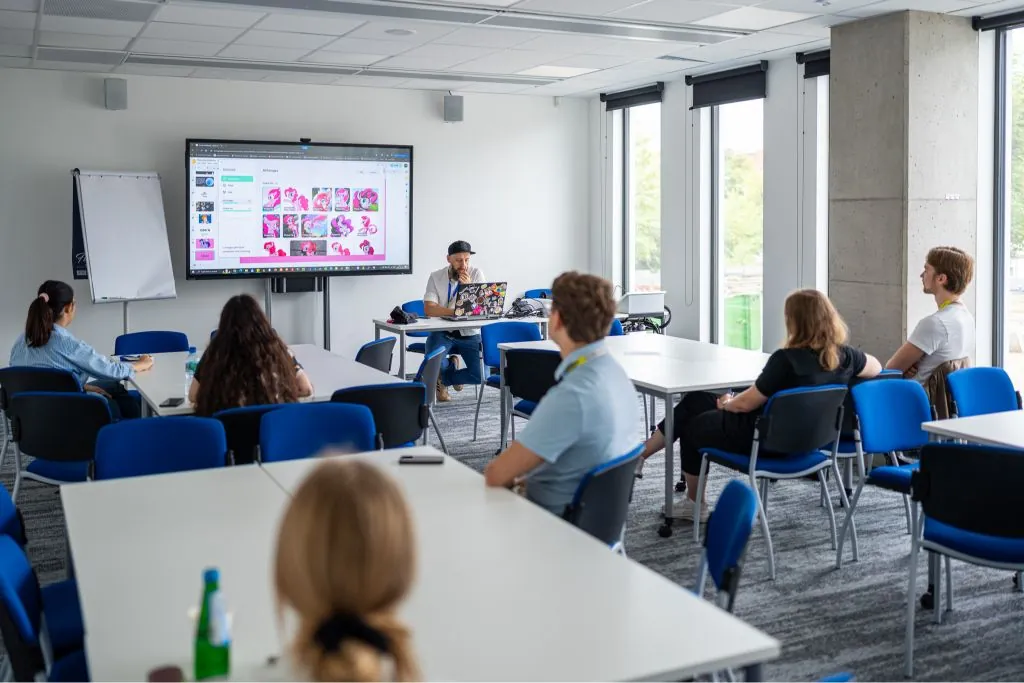
I decided to turn this experience into a workshop format while keeping the My Little Pony theme. I wanted to give non-technical people a safe space to enter the world of AI/ML and prove firsthand that the barrier to entry is remarkably low.
This workshop doesn't just dismantle barriers—for many, it became a direct spark of inspiration.
Participants left sessions with ideas for their own models, applied takeaways to their day-to-day work, or simply noted that thanks to toy ponies, artificial intelligence felt interesting and approachable again.
Why does this work? Because most traditional tech trainings paralyze attendees with academic jargon, formulas, and complex code. My educational approach rests on four practical principles:
Whether working with an engineering team or marketing specialists, learning never has to be dull. Engagement happens the moment unnecessary abstractions drop away.
Explaining supervised learning mechanisms through plastic toys removes the fear of AI and builds natural curiosity. Humor opens up room to ask questions freely.
Showing that you don't need Python scripts to understand how ML models work opens people's minds to practical AI applications in their day-to-day business tasks.
The biggest roadblock to implementing AI in companies is rarely the technology—it's communication friction between technical and business teams. When business understands model mechanics intuitively, organizations ship AI projects faster, bolder, and without hesitation.
When technical intimidation gives way to curiosity, engineering and business teams start speaking the same language and ship AI projects without decision paralysis.
Delivered with the original plastic figurine dataset at Pyrkon, CD-Action Expo, and inside corporate product teams. Format tailored to your goals: from an inspiring 60-minute keynote to an intensive half-day hands-on workshop.